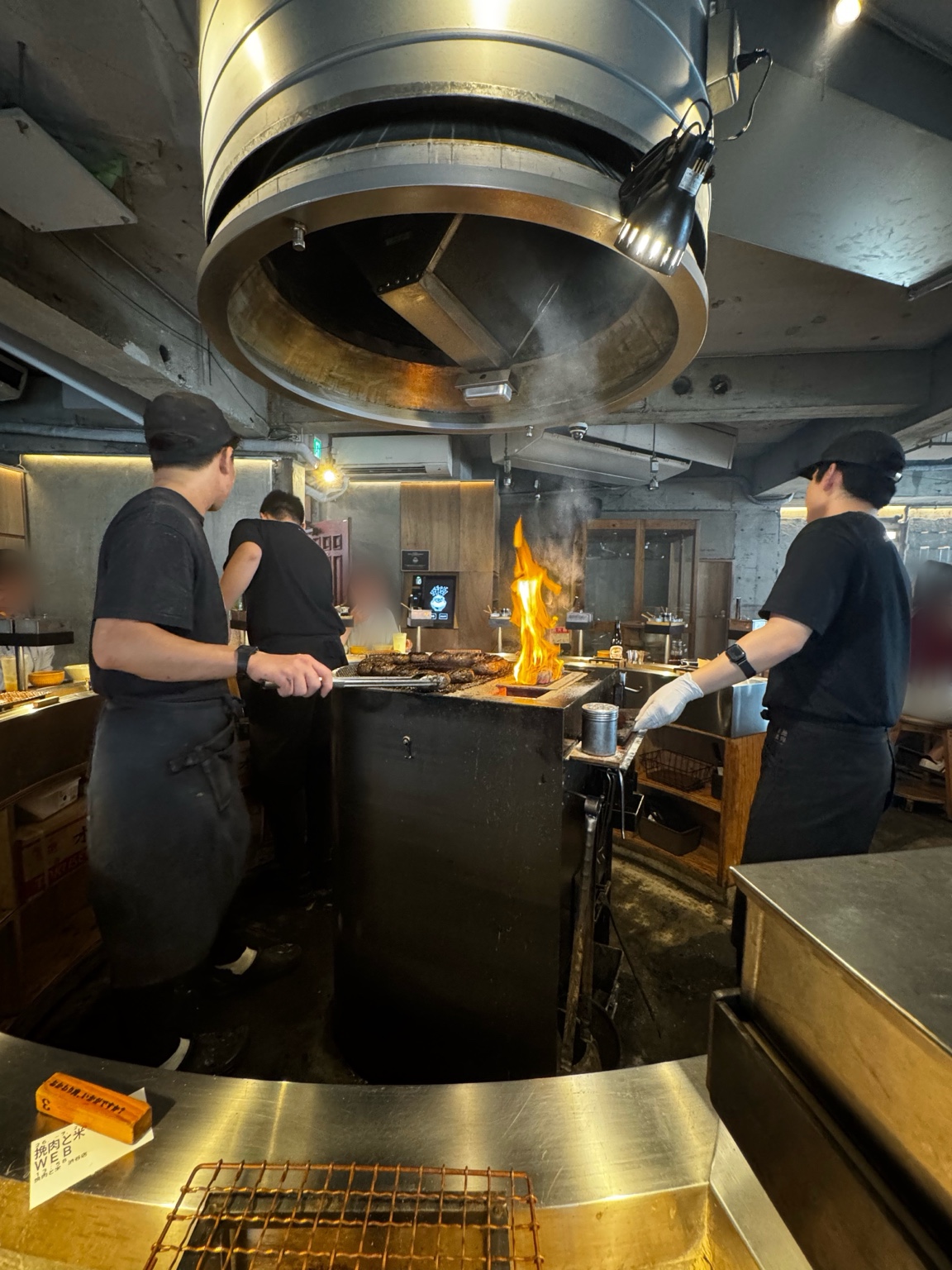
Cut, fat, grind, mix. The chef's design begins the moment the meat is ground.
A 4.1 at a specialist and a 4.1 at a long-established yoshoku restaurant do not mean the same thing. Food is not settled by numbers.
Laying the Tabelog simple average over the Google rating revealed another view of Tokyo hamburg steak. But the same demi-glace is designed differently at a neighbourhood yoshoku and at a restaurant, and the same running juices mean one thing as showmanship and another as the result of correct cooking.
So in Episode 05, Tadashi Iwamoto, Kazuyuki Matsushima — the Hamburg Prince — and anonymous judges speaking as a butcher, a food manufacturer and a chef discuss the differences numbers cannot show.
VISUAL ATLAS
Same dish,
different design.
The shape of the patty, the colour of the sear, the density of the sauce, the garnish, the tableware, the empty space. What a photograph shows is a way into judgement, not a conclusion.
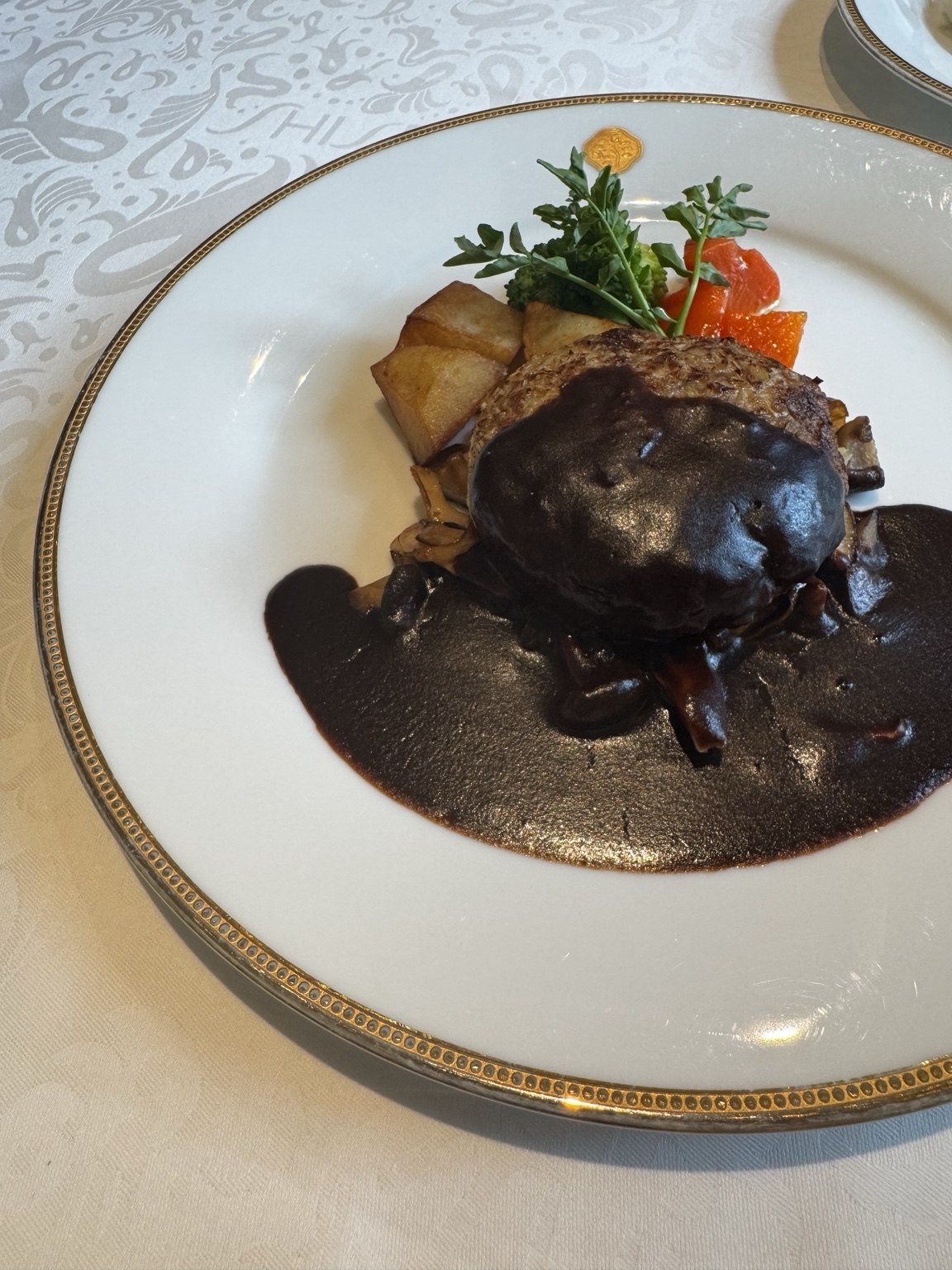
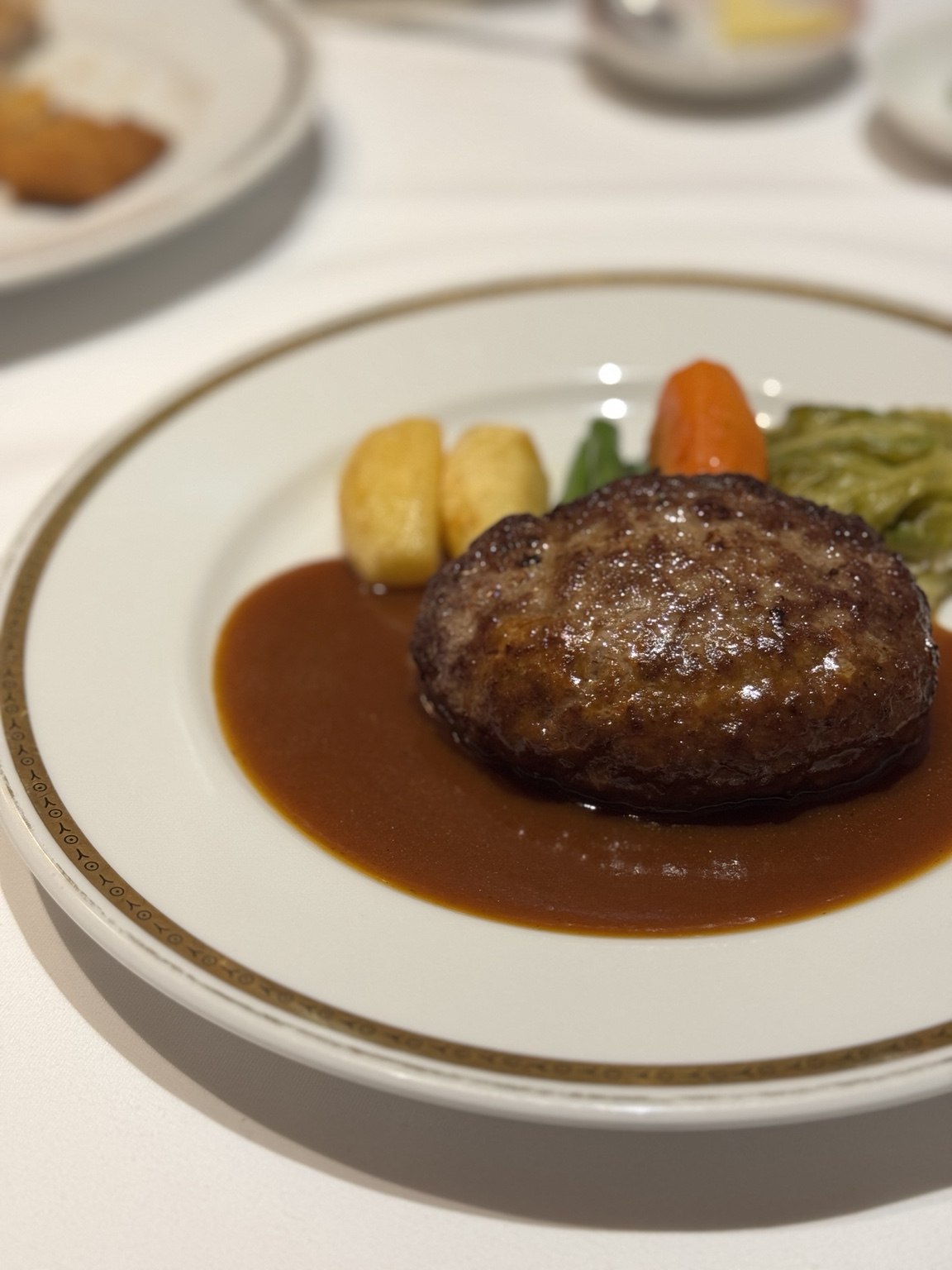
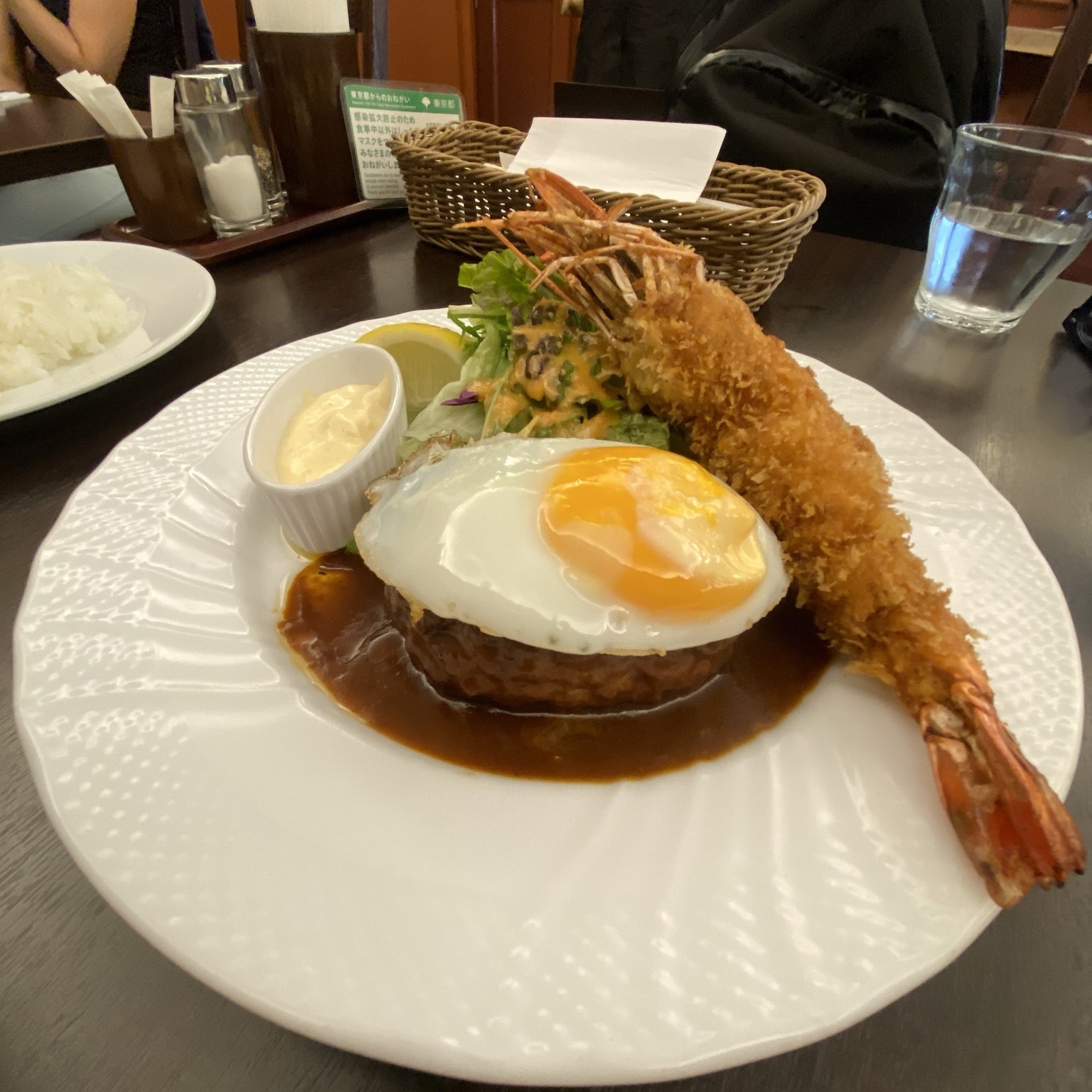
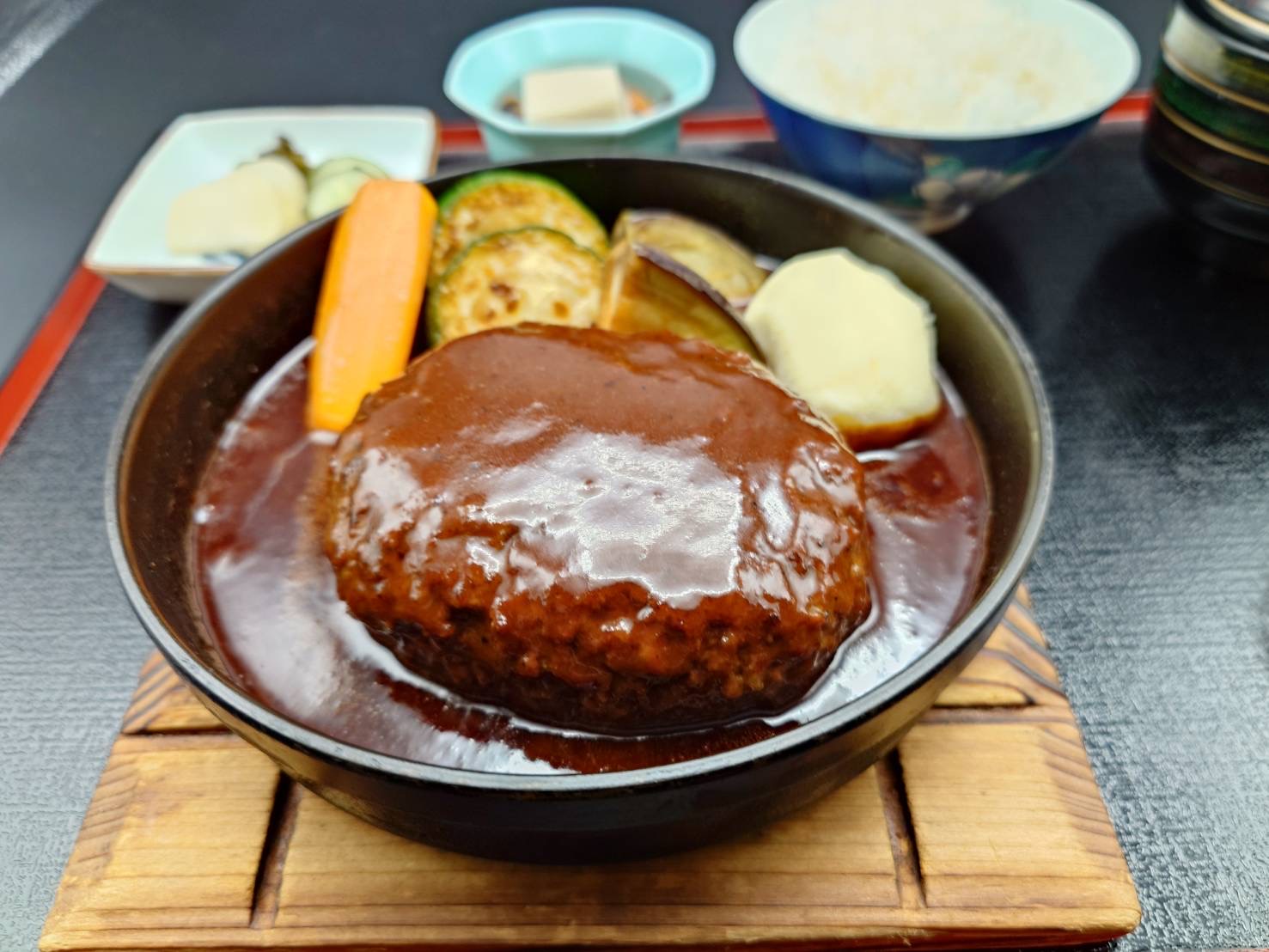
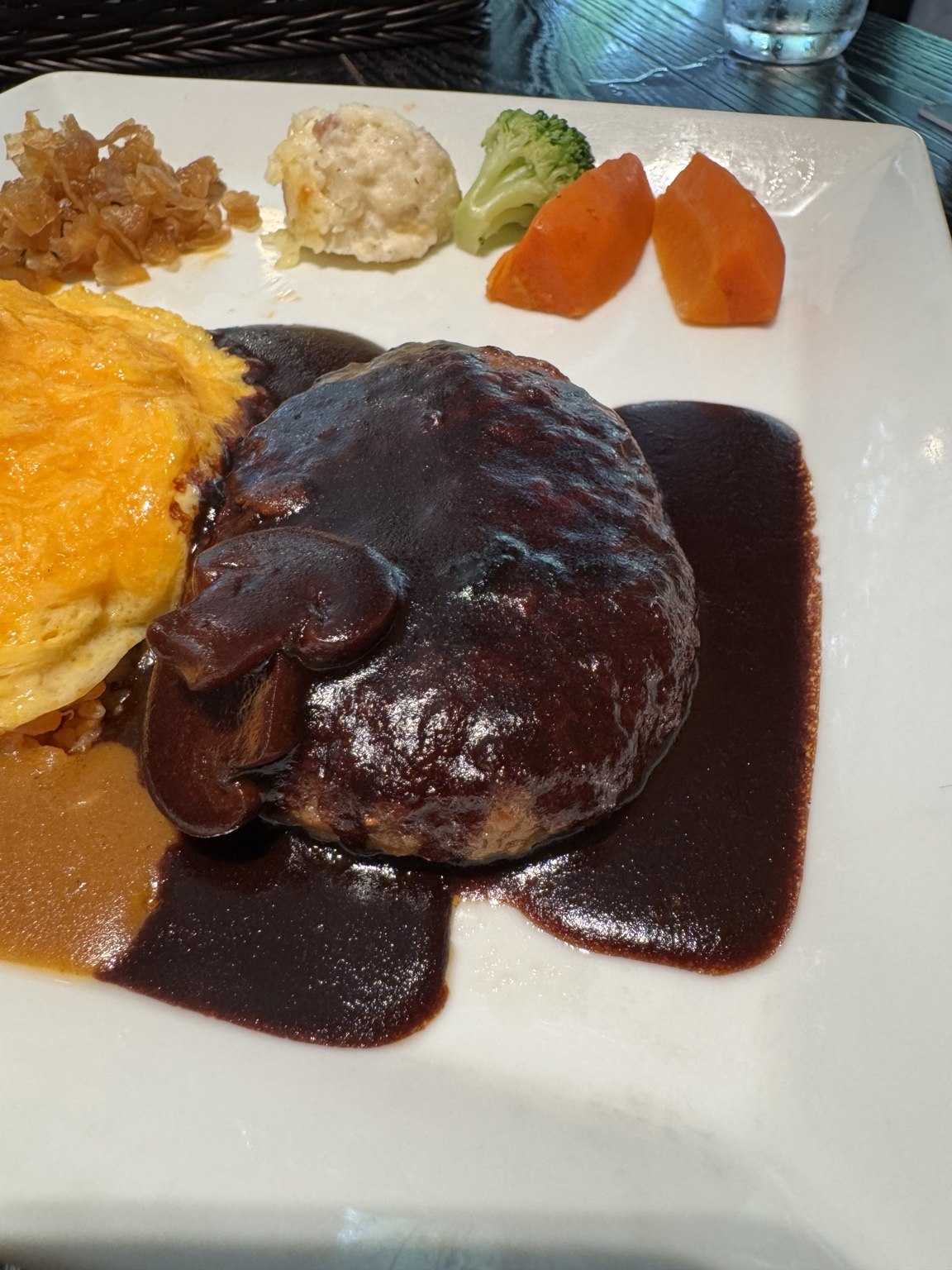
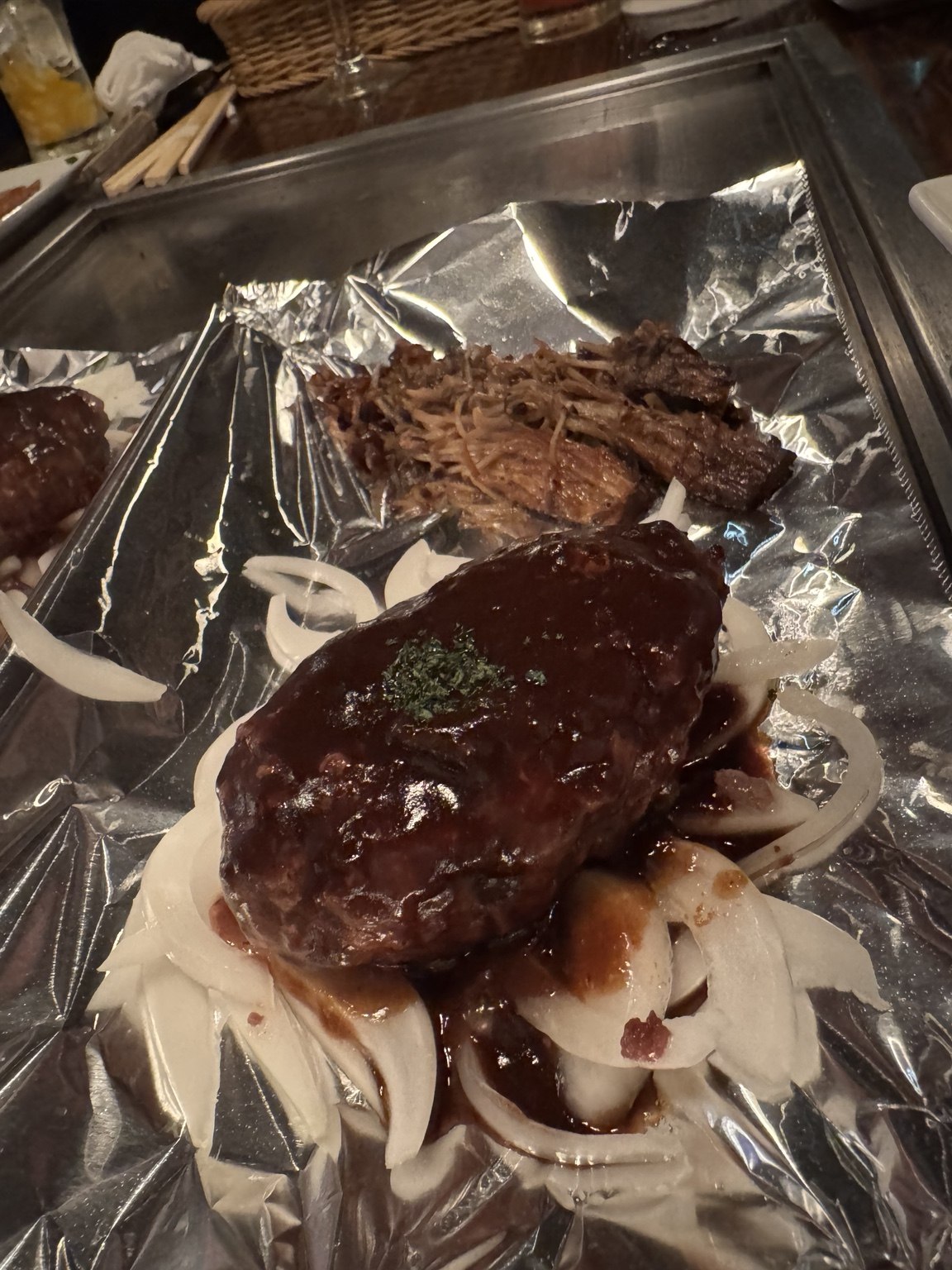
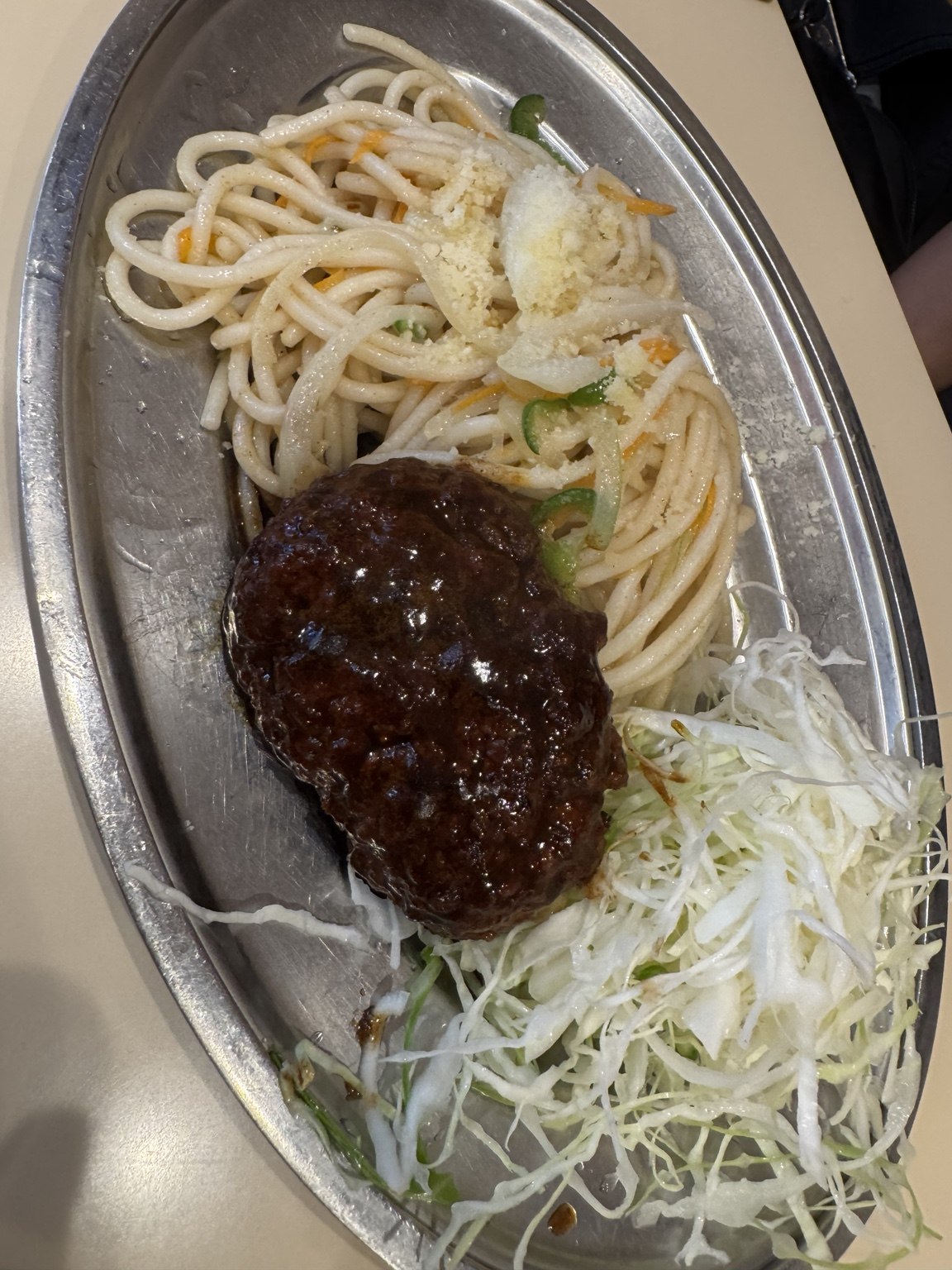
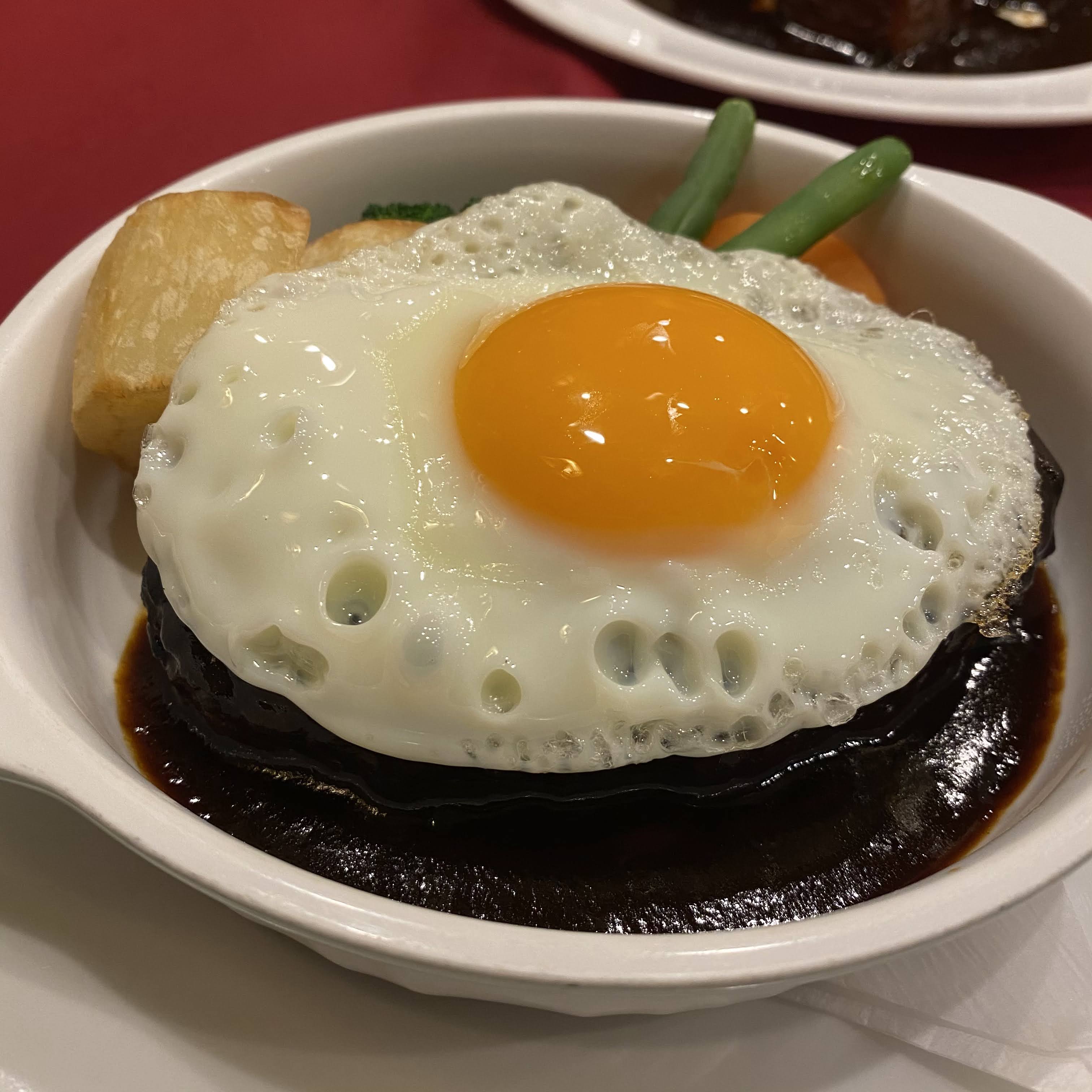
The skill of cooking safely to the centre and still finishing it juicy.
Does it support the meat, or complete the plate? We look at its role and its balance.
As Japanese yoshoku, how it connects to white rice and keeps you eating.
ROUND 01
Are Hikiniku to Come and Kamiya
even on the same ground?
Editorial Team
On the data Hikiniku to Come is strong, and among long-established yoshoku so is Kamiya. Does it feel odd to discuss the two side by side at all?
Tadashi Iwamoto
It does. But that discomfort is exactly what makes Tokyo hamburg steak interesting. Hikiniku to Come is a contemporary hamburg steak designed as a whole — the food, the booking flow, the counter, the rice, the theatre of the grill. Kamiya is a plate from a long-established yoshoku restaurant, white tablecloths, demi-glace, garnish and service included.
Kazuyuki Matsushima
They are hard to put on one ruler. But both have the power to lodge hamburg steak in your memory. Hikiniku to Come is strong as an experience; Kamiya is strong as a yoshoku plate. You have to identify each kind of strength.
Anonymous Judge Cspeaking as a chef
Hikiniku to Come has worked out how you are made to eat it. Kamiya is about how a single plate is completed. The cooking philosophies differ. It is less that one is above the other than that the points worth judging are different.
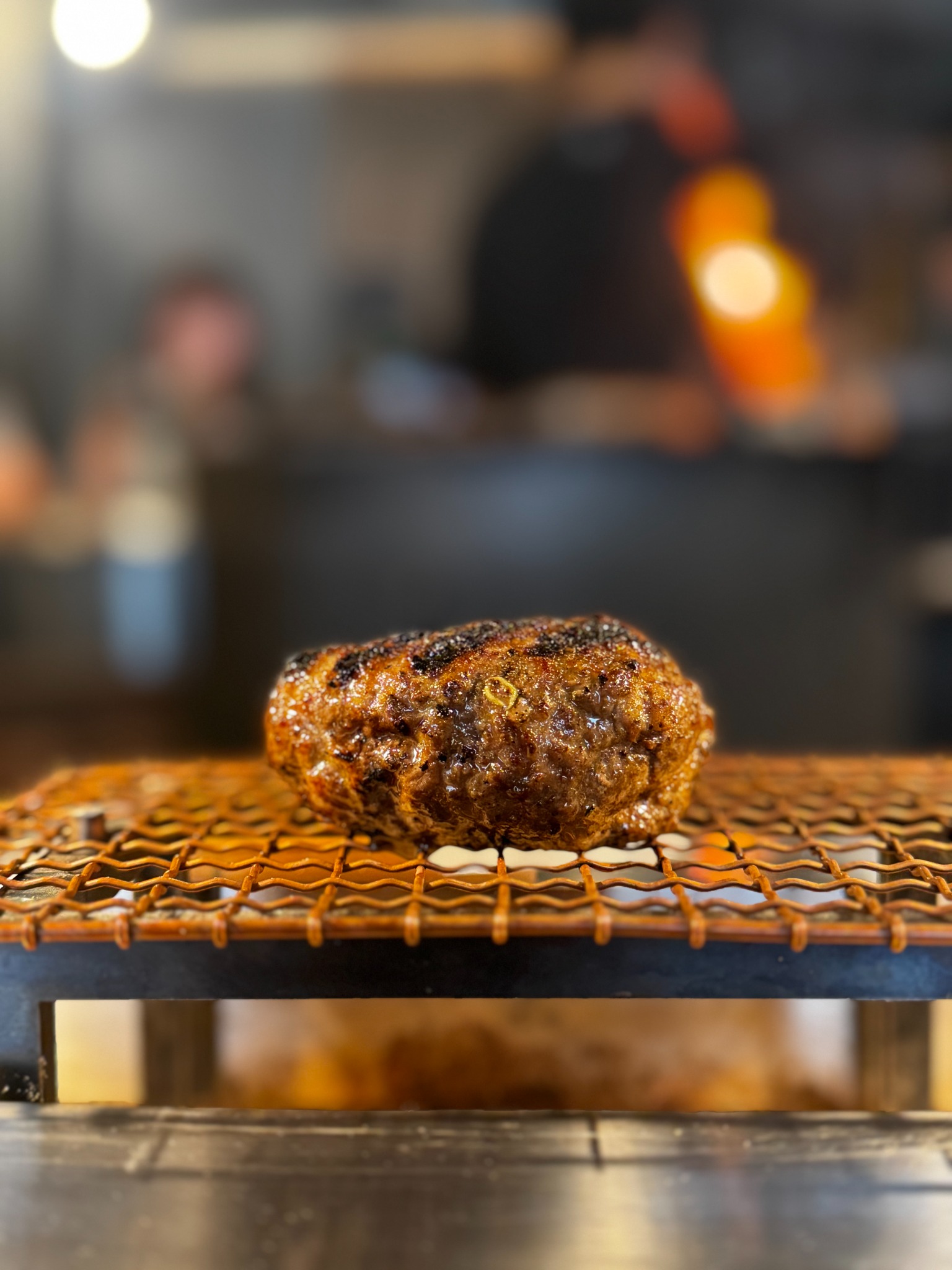
Meat, rice, grilling and service designed as one.
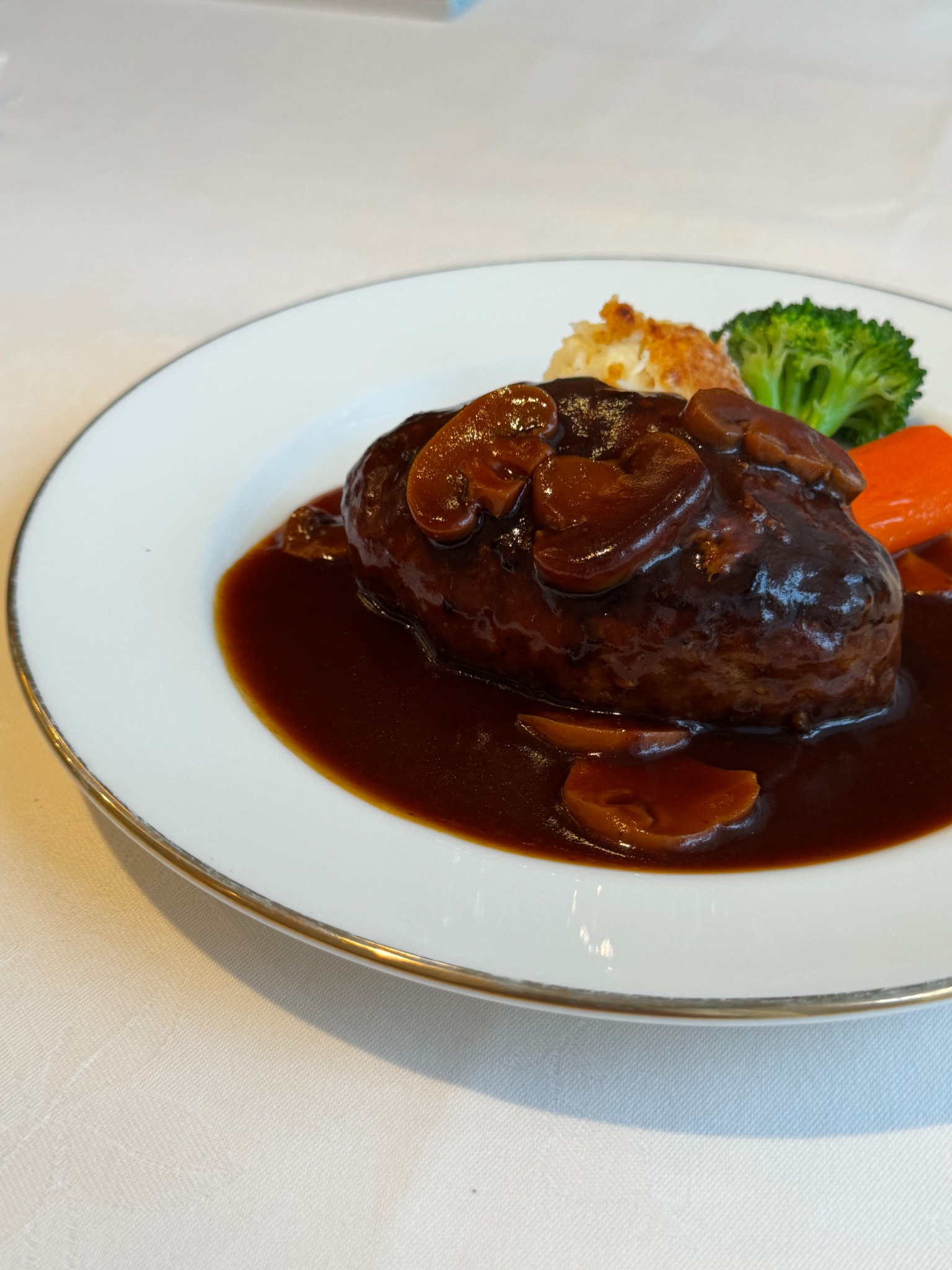
The plate is completed through demi-glace, garnish and service.
ROUND 02
Value that price alone
does not show.
Kamiya (香味屋)
¥2,500Plus a 10% service charge; expect around ¥2,750. That covers the room of a long-established restaurant, table service and the composition of the plate.VS
Hikiniku to Come (挽肉と米)
¥1,980Three 90g patties. Reservations are web-only; where an early booking carries an extra ¥1,000, the effective cost is ¥2,980.Editorial Team
How should we read the prices?
Anonymous Judge Bspeaking as a food manufacturer
Price is not just a number; it should be read together with the design of the experience. Kamiya is a restaurant experience, Hikiniku to Come a contemporary hamburg experience. What the price contains is different in each case.
Tadashi Iwamoto
Cheaper is not better with hamburg steak, and neither is more expensive. What matters is whether the price makes sense to you after you have eaten.
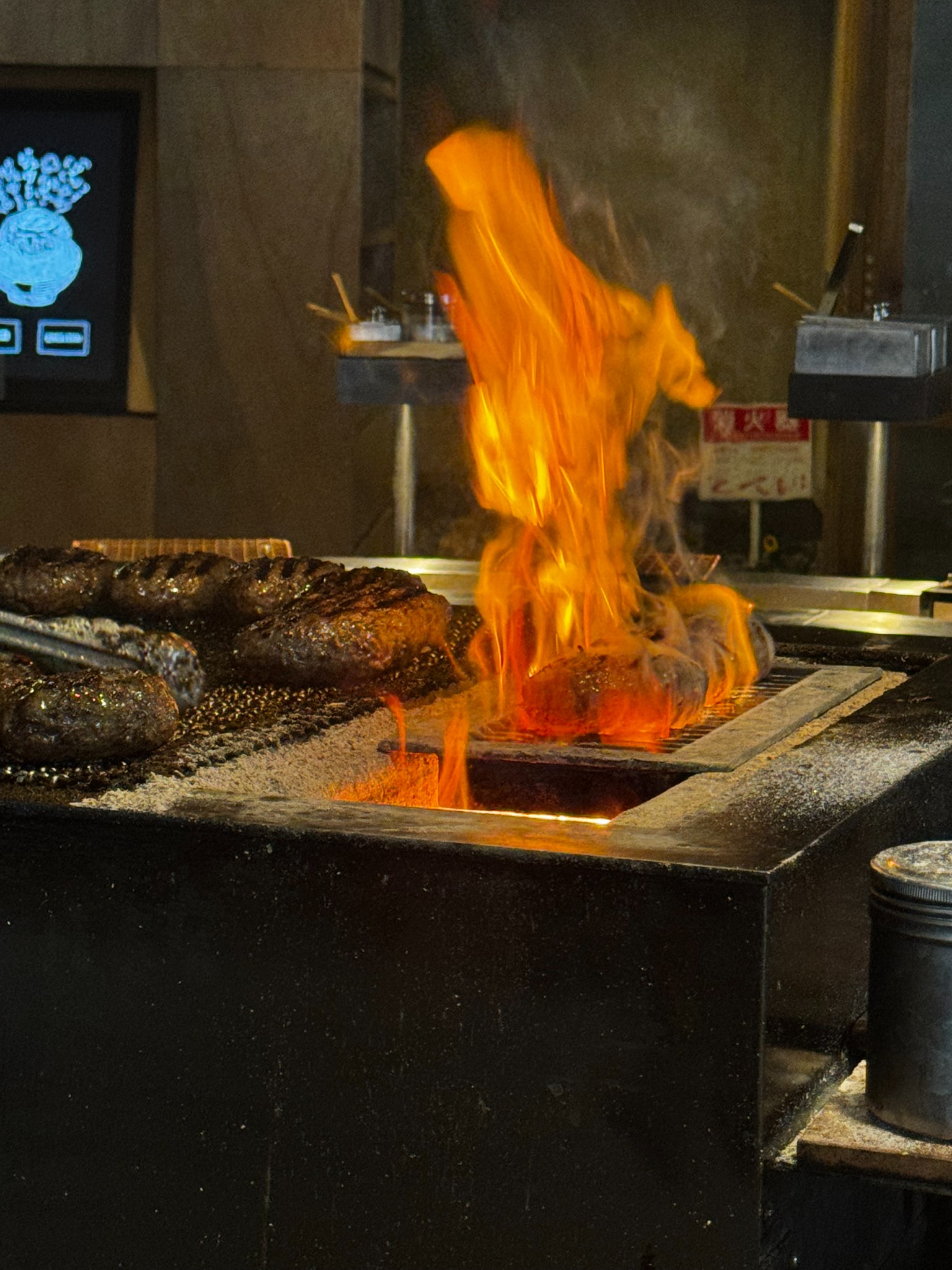
ROUND 03 — MEAT & FIRE
With hamburg steak, the chef's design enters the moment the meat is ground.
THE BUTCHER'S VIEW
Hamburg steak, seen
from a butcher's side.
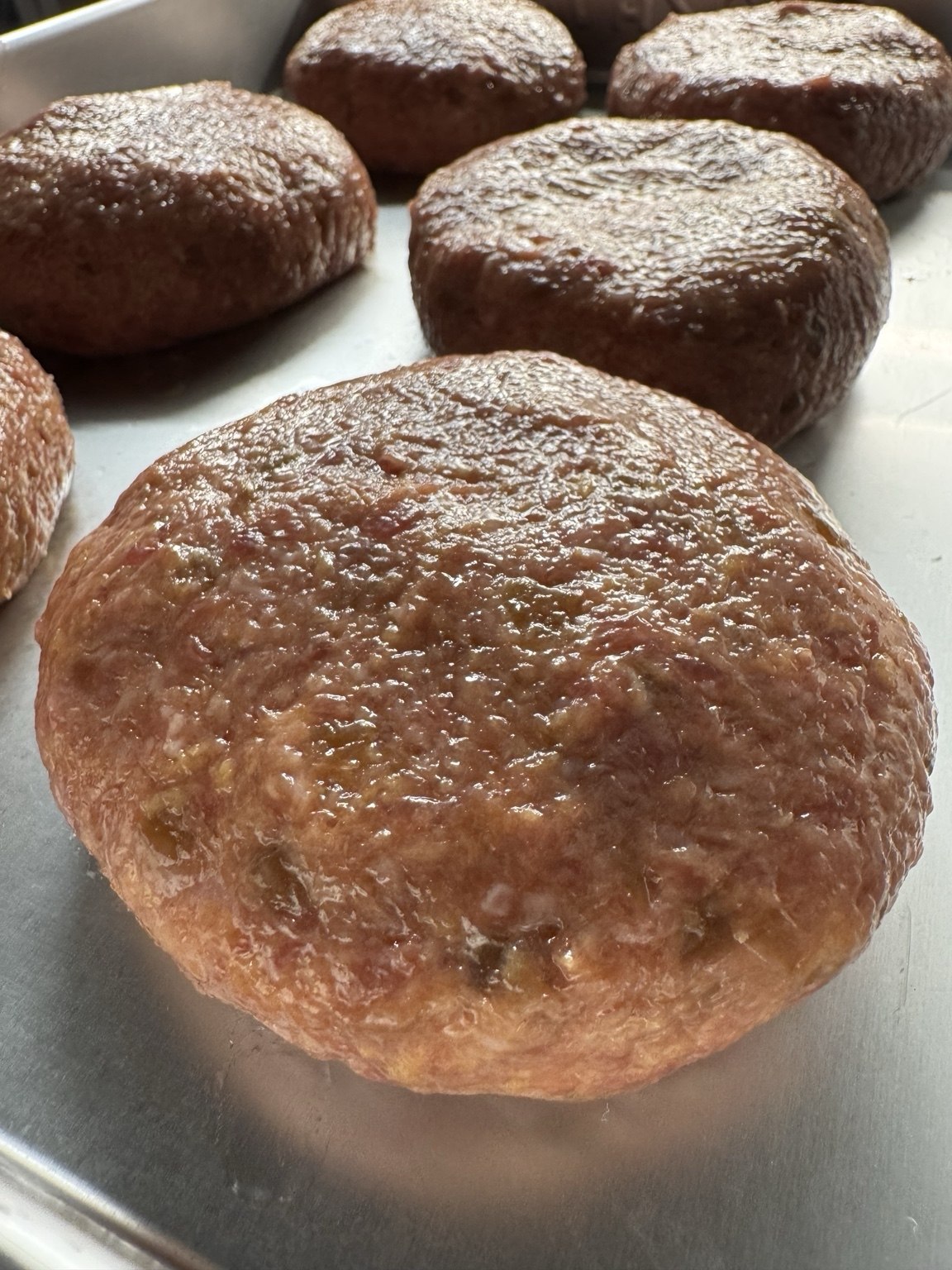
Anonymous Judge Aspeaking as a butcher
Hamburg steak is a genuinely difficult dish. A steak is about how you cook the character of a whole cut; with hamburg steak the chef's design enters the moment the meat is ground. Choice of cut, how the fat goes in, the grind, the mixing, working the air out, the shaping, the cooking. All of it shows up in the taste.
Kazuyuki Matsushima
Eating them, a hamburg steak where the aroma of the meat rises is different from one carried by its sauce. Neither is wrong — what is being made the lead is different.
Anonymous Judge Aspeaking as a butcher
Exactly. If the meat leads, the grind and the doneness matter most. If the sauce completes it, the balance between meat and sauce matters most. It follows that a restaurant built around hamburg steak and one serving it as a yoshoku plate should be judged on different axes.
ROUND 04
Before deliciousness
comes safety.
Editorial Team
For this edition, hamburg steak sold on being rare has been excluded.
Kazuyuki Matsushima
So this isn't only a matter of taste, of fashion, or of judging criteria.
Tadashi Iwamoto
No. Before deliciousness comes safety. Hamburg steak is a ground-meat dish. Unlike a whole cut, pathogens on the surface can be carried into the interior. Japan's Ministry of Health, Labour and Welfare asks that raw ground-meat products such as hamburg steak be heated thoroughly to the centre, whatever the animal.
Anonymous Judge Cspeaking as a chef
Cooking through to the centre and still finishing it juicy — that is the chef's craft. Rather than leaving the final cooking to the customer, the restaurant should complete the plate, safety included.
Tadashi Iwamoto
Looking at cases published by public authorities, O157 food poisoning linked to undercooked hamburg steak has been confirmed repeatedly — in 2000, 2023, 2024 and 2025. There is no national statistical category that captures every case, so we do not give a combined figure we cannot verify. What matters is that the same kind of incident has recurred rather than happened once.
In the 2000 case in Yokohama, the cause was estimated to be insufficient cooking of hamburg patties contaminated with O157. In the 2023 case in Koshigaya, at a self-grill restaurant where only the surface was seared and the centre left insufficiently cooked before customers finished it on a lava-stone plate at the table, 14 patients were confirmed across one metropolis, five prefectures and three cities. In the 2025 case in Shimane, the surface was cooked in the kitchen and staff then pressed the patty onto a hot plate at the table to finish it; that method heated unevenly, and during busy service the centre was not cooked through, leading to an outbreak in which 102 people fell ill. These are independent public records, each arising from a different service process.
This is not a blanket criticism of any company's hygiene or quality control. But since public authorities require ground-meat dishes to be cooked thoroughly, this competition applies a common criterion: dishes that offer a raw centre as a selling point, and dishes that leave their completion to the customer's own further cooking, are excluded.
01
The restaurant completes the cooking.
Eligible plates are cooked thoroughly to the centre, with both safety and flavour established on the restaurant's responsibility. Where the kitchen completes the cooking and a grill or hot plate is used to keep the dish warm, the restaurant remains eligible.
02
A raw centre is not offered as a selling point.
Dishes that market a raw centre or a rare finish, and dishes that leave completion to the customer's own further cooking, are excluded.
Sources
Ministry of Health, Labour and Welfare, “Cook Meat Thoroughly”; cases from 2000, 2023, 2024 and 2025 published by the Japan Institute for Health Security and by local authorities. All sources are in Japanese. Because national statistics contain no separate category for “rare hamburg steak,” no combined casualty figure is given.
Ministry of Health, Labour and Welfare 2000, Yokohama 2023, Koshigaya 2024, Funabashi 2025, Shimane
Ministry of Health, Labour and Welfare, “Cook Meat Thoroughly”; cases from 2000, 2023, 2024 and 2025 published by the Japan Institute for Health Security and by local authorities. All sources are in Japanese. Because national statistics contain no separate category for “rare hamburg steak,” no combined casualty figure is given.
Ministry of Health, Labour and Welfare 2000, Yokohama 2023, Koshigaya 2024, Funabashi 2025, Shimane
“Don't eat the information.THE JUDGING VIEW / EPISODE 05
Look at how the dish is made to work.”
ROUND 05
In an age of eating information,
how do we look at food?
This is not a rejection of Instagram or social media. For a restaurant today, reach undoubtedly matters. But traffic and shares driven mainly by how photogenic a dish is are not the same as how complete the food is.
Guides like Michelin and Gault&Millau have value too. But yoshoku translated Western cooking onto the Japanese table and evolved on its own terms alongside rice. Today it works with rice or bread, with sake or wine, and runs from home cooking to neighbourhood diners, hotels and fine restaurants. That breadth is itself the character of yoshoku.
That it goes with rice. That the sauce holds the plate together. That there is a garnish. Childhood memory, eating out as an adult, the reassurance of a neighbourhood yoshoku restaurant. The handling of the meat, the doneness, the price, the cleanliness, whether the restaurant can keep going. Hamburg steak deserves to be judged with its place in Japanese daily life included.
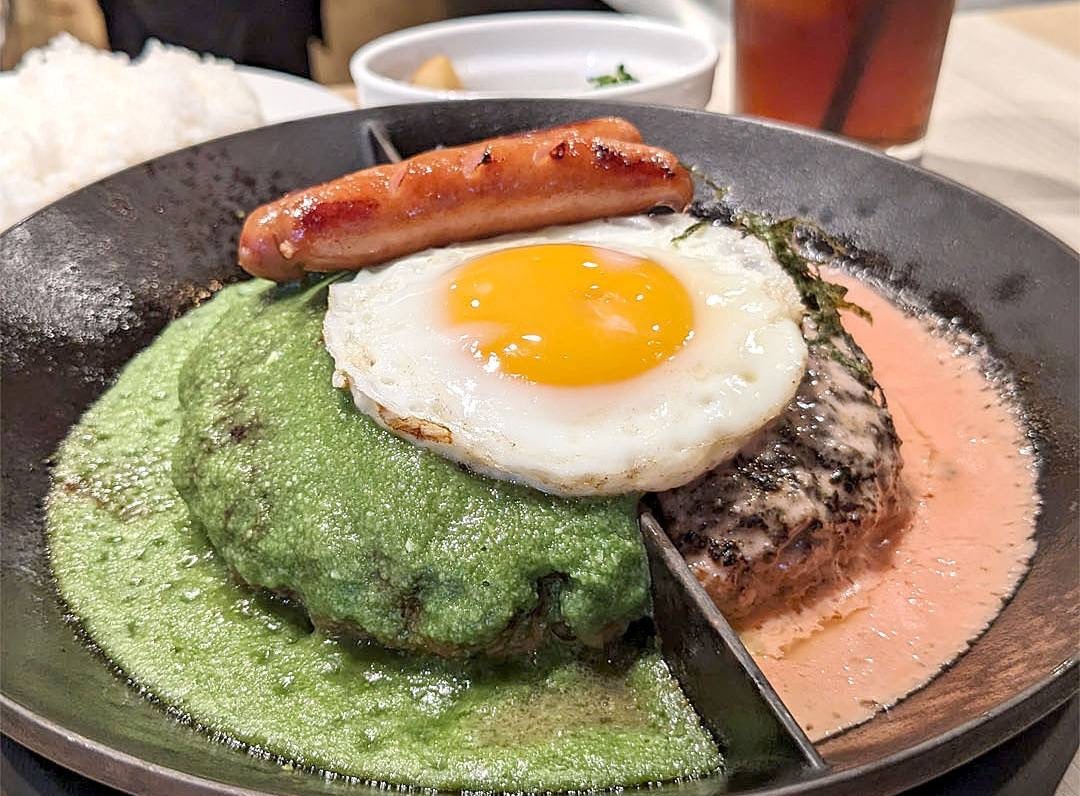
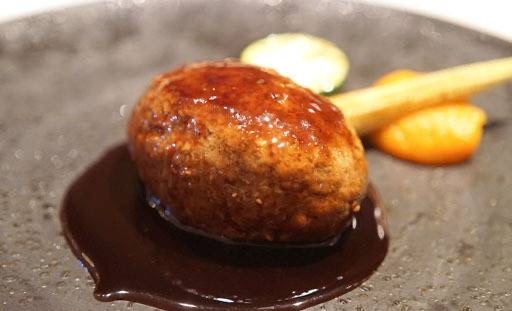
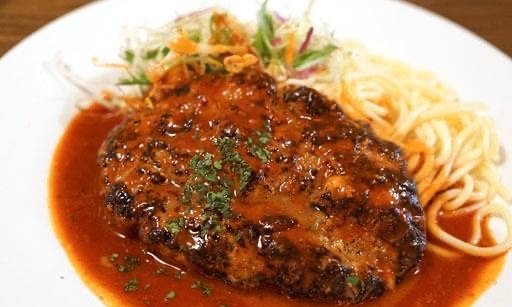
CANDIDATE PLATES
Differences in design
appear on the plate.
WHAT WE JUDGE
What this year's
competition looks at.
What the 2026 competition looks at is neither a score nor a talking point.
Restaurants built around hamburg steak have specialism and designed experience. Those serving it as a yoshoku restaurant plate have sauce, plating, room and continuity. Neither is the correct answer.
What matters is how a restaurant thinks about hamburg steak and how it makes it work as food.
Hamburg-led
Judged as a specialist experience: meat, doneness, rice, the theatre of the grill and the flow of service.
Yoshoku-plate type
Judged on sauce, garnish, service, the room and the restaurant's continuity.