Related restaurants are ineligible
BISTRO TARO azabujuban appears in the data ranking marked “ineligible” as a reference listing, and is excluded from the awards.
How much of a hamburg steak can a score really capture?
Public data, first-hand tasting and a judges' panel map where Tokyo stands today.
August 9, Hamburg Day.
For 2026, the Tokyo Hamburg Grand Prix
moves on from the open web vote of previous years
to a vote by appointed anonymous judges.
The vote is held by anonymous judges appointed by the Japan Yoshoku Association — professionals from cooking, meat, yoshoku, food manufacturing and distribution. They eat at the candidate restaurants as ordinary customers and cast their votes with public data and specialist knowledge in mind.
Last year's competition used an open web vote that anyone could join. There is real energy in that format. It makes visible the voices of people who love a restaurant — regulars, fans, and those who champion it on social media. For a restaurant, that is a considerable force.
At the same time, a vote reflects not only enthusiasm but also who a restaurant's customers are and how old they are. Restaurants with younger clientele, with daily contact on social media, or with an active community of regulars find it easier to gather votes.
“Can the value of a hamburg steakTHE QUESTION OF 2026
be measured in votes alone?”
Web-vote events are common now. But they tend to favour restaurants with a strong presence on Instagram, YouTube or TikTok, or with connections to influential creators.
This is not a rejection of social media. Being talked about and being shared are genuine strengths for a restaurant. But reach driven mainly by how photogenic a dish is should not be mistaken for an evaluation of the food.
What the 2026 competition wants to see is not vote counts. It is the quality of the meat, the doneness, the sauce, how it works with rice, the garnish, the cleanliness of the restaurant — and how the whole thing holds together as a plate of food.
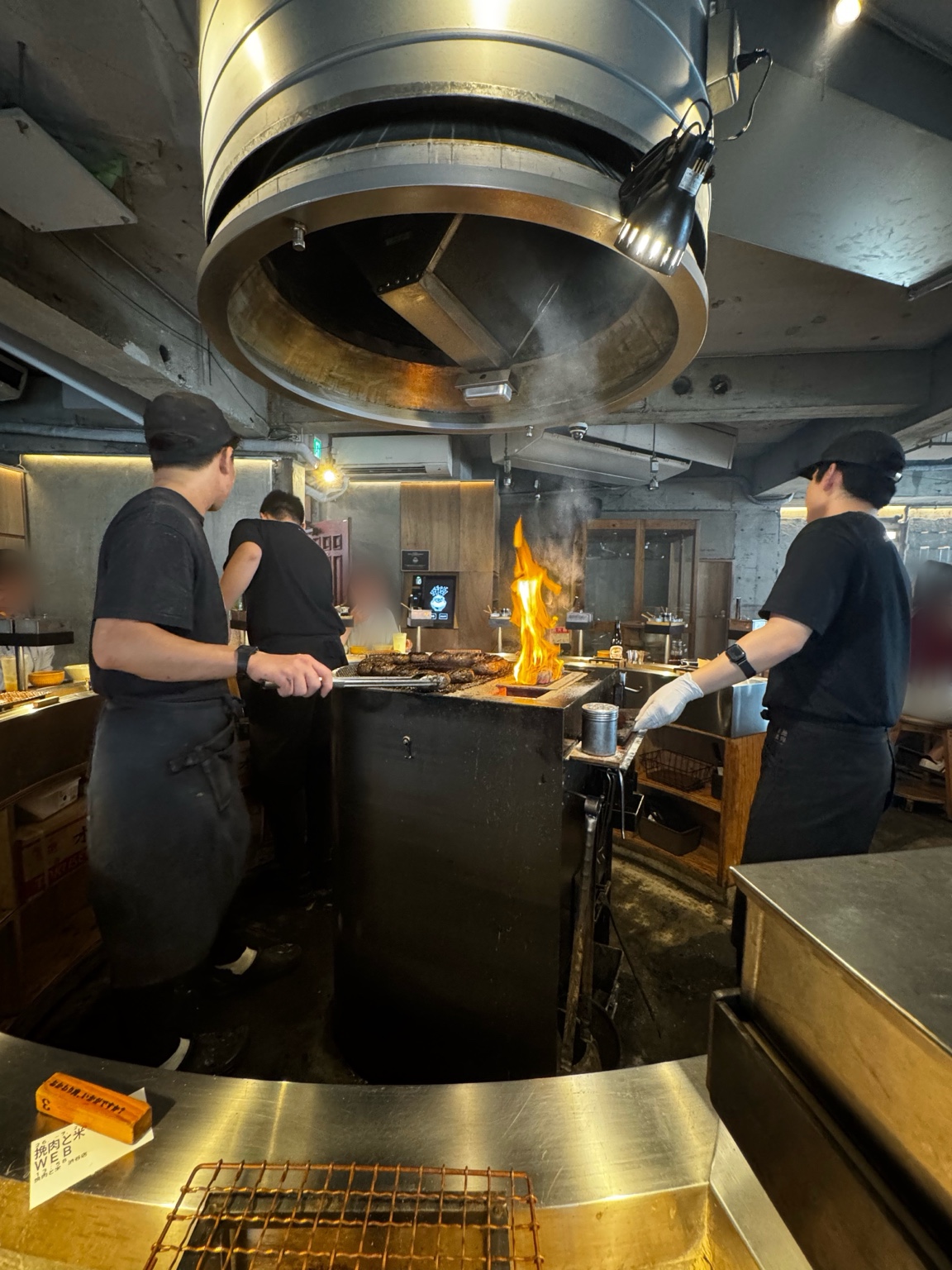
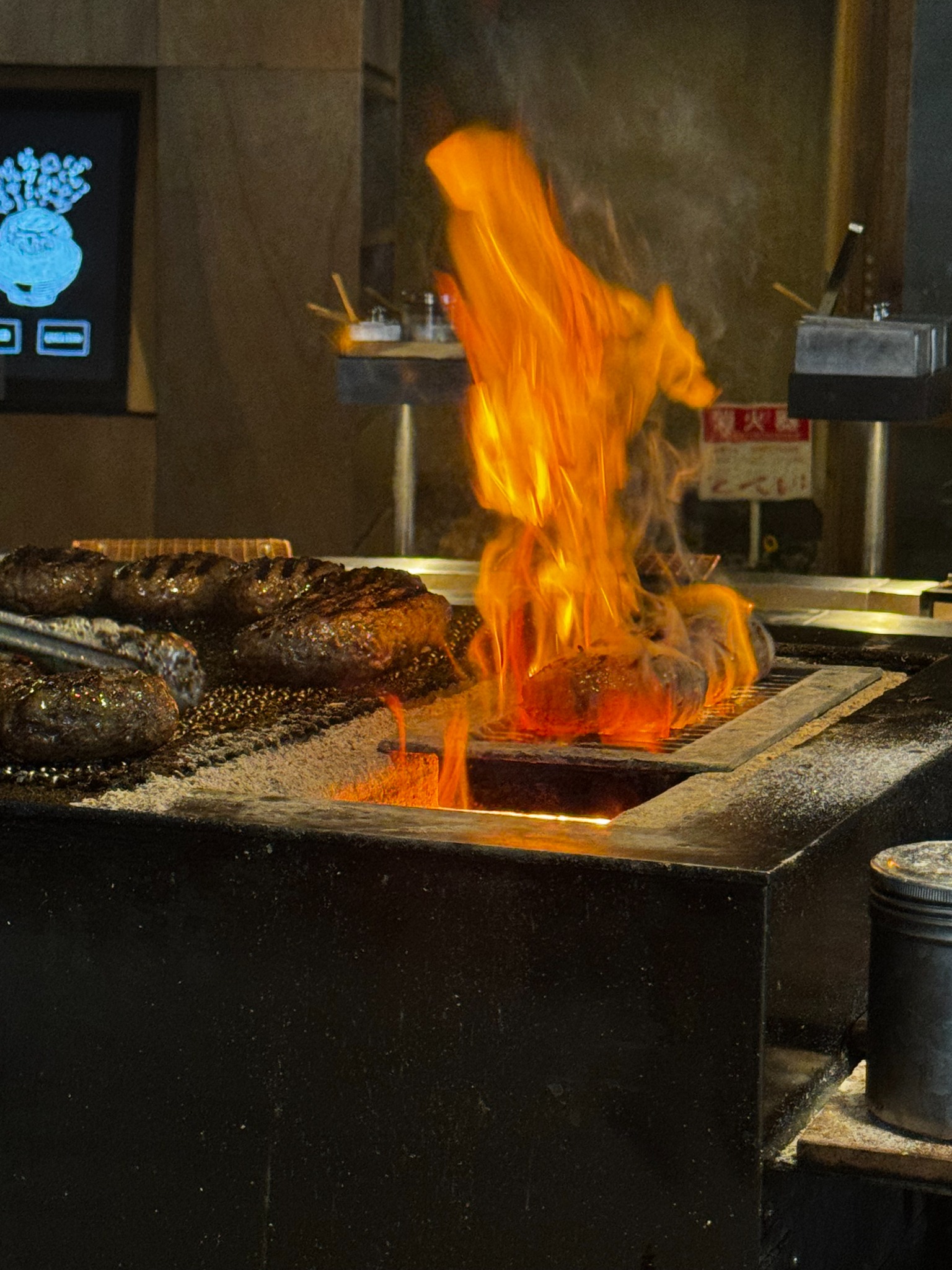
The theatre of an open grill is part of the contemporary hamburg experience too.
Tokyo hamburg steak does not fit a single style. Beyond the meat blend and the doneness, every restaurant designs its own sauce, garnish, tableware, relationship to rice, method of service and dining room.
Some carry the heat on a cast-iron plate. Some make demi-glace the lead. Some build familiarity with a fried egg and side vegetables. Some compose the whole white plate, empty space included, as a yoshoku dish. These differences are not better or worse; they show what each kitchen is aiming at.
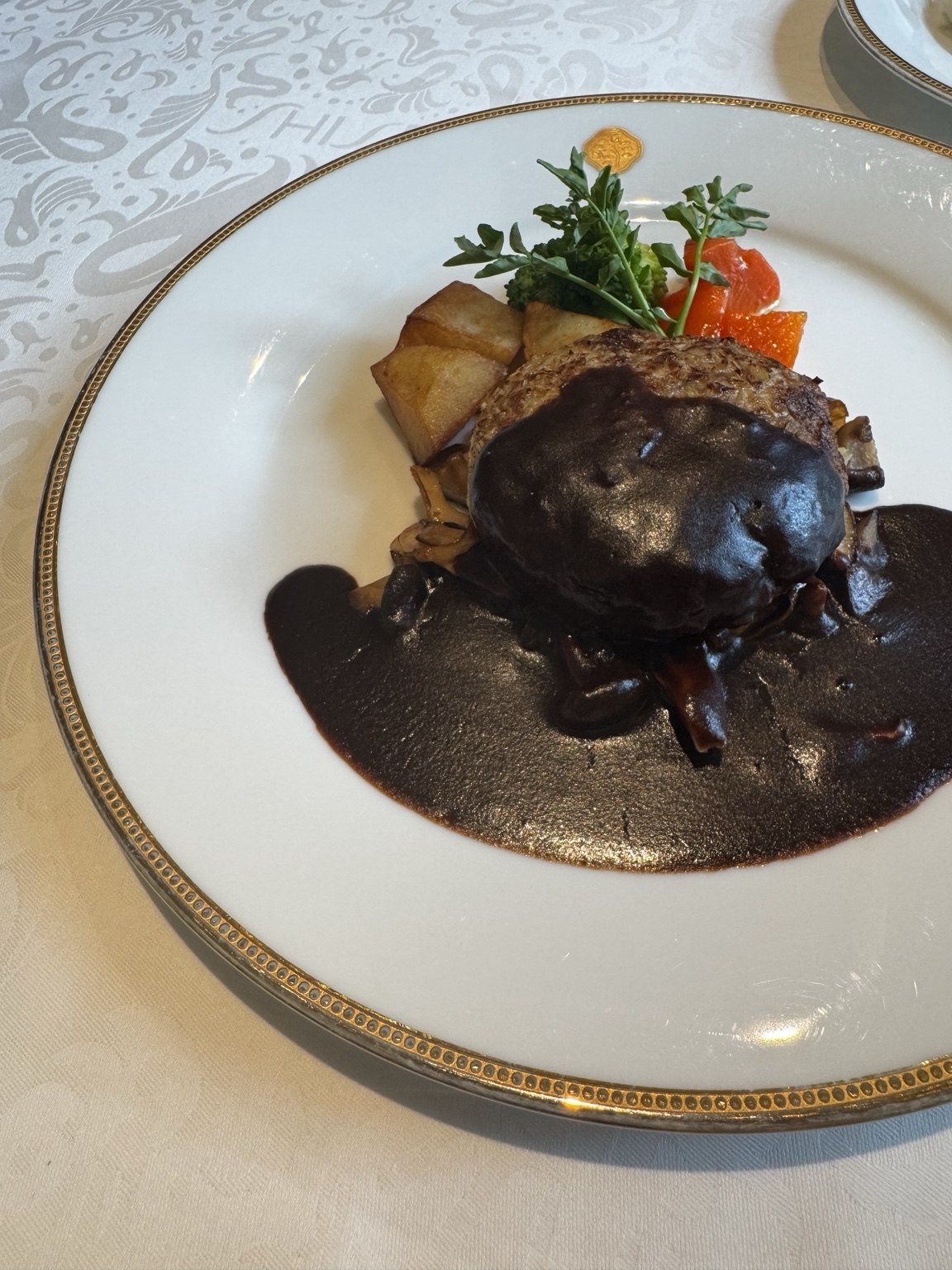
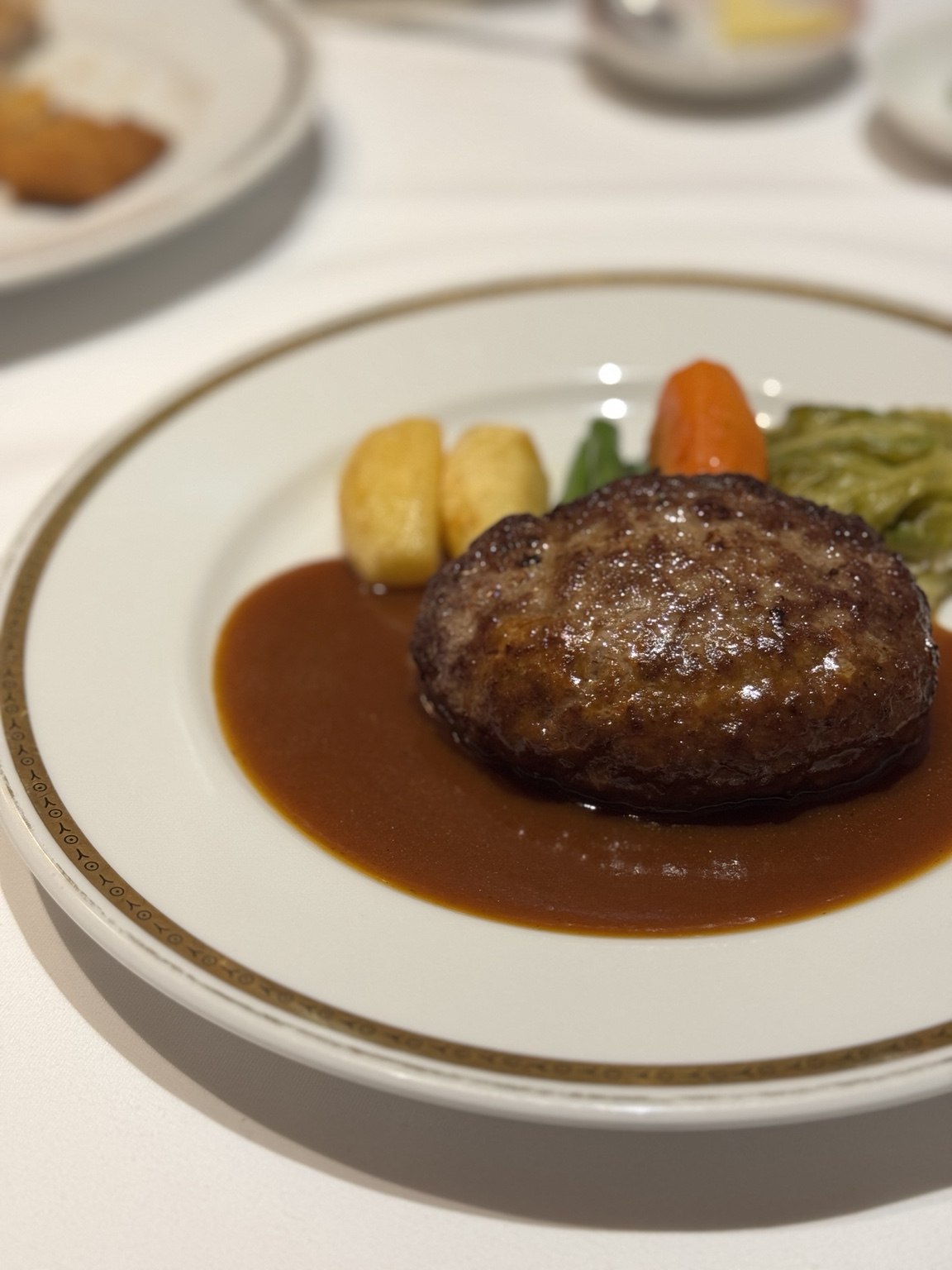
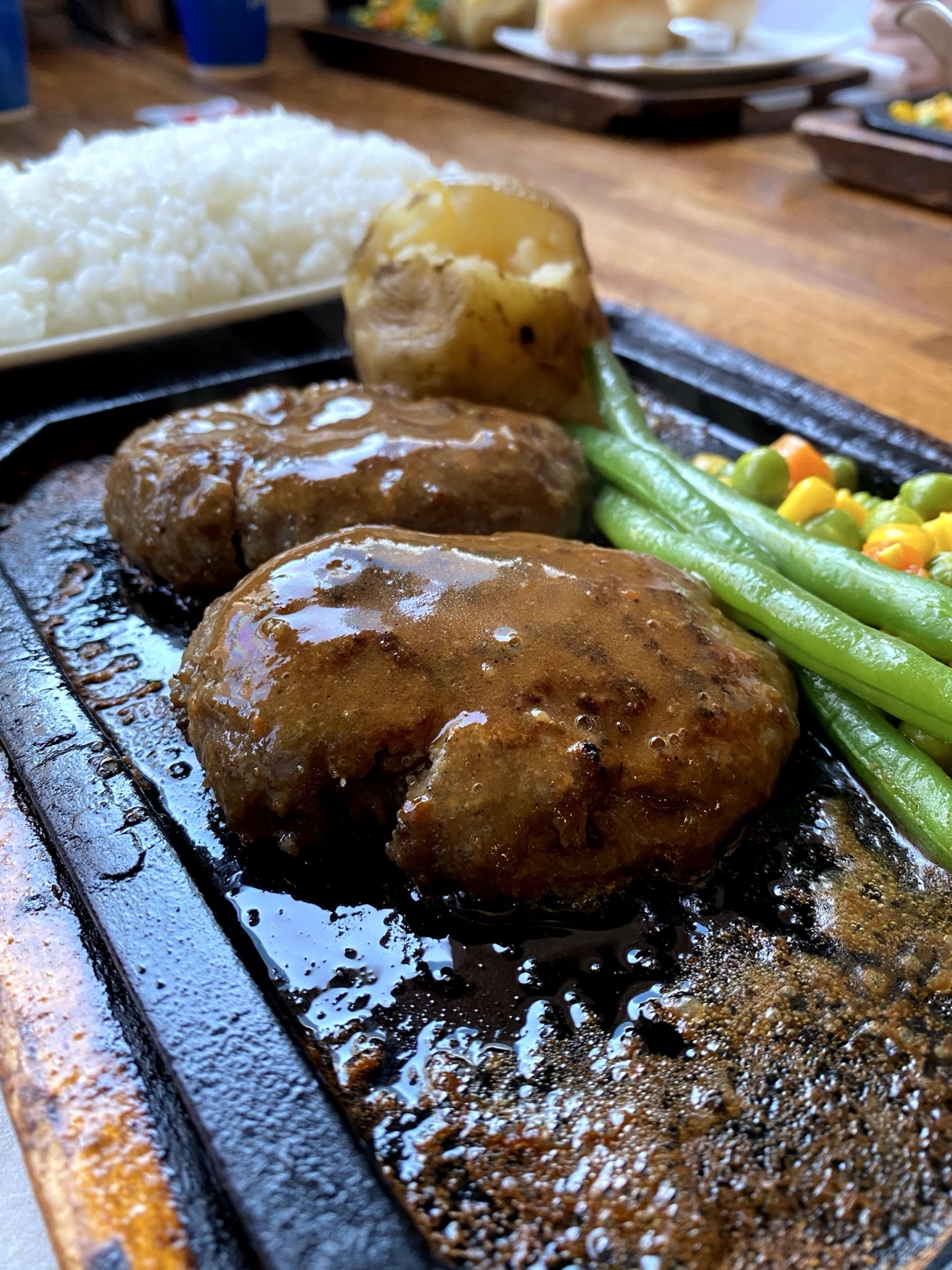
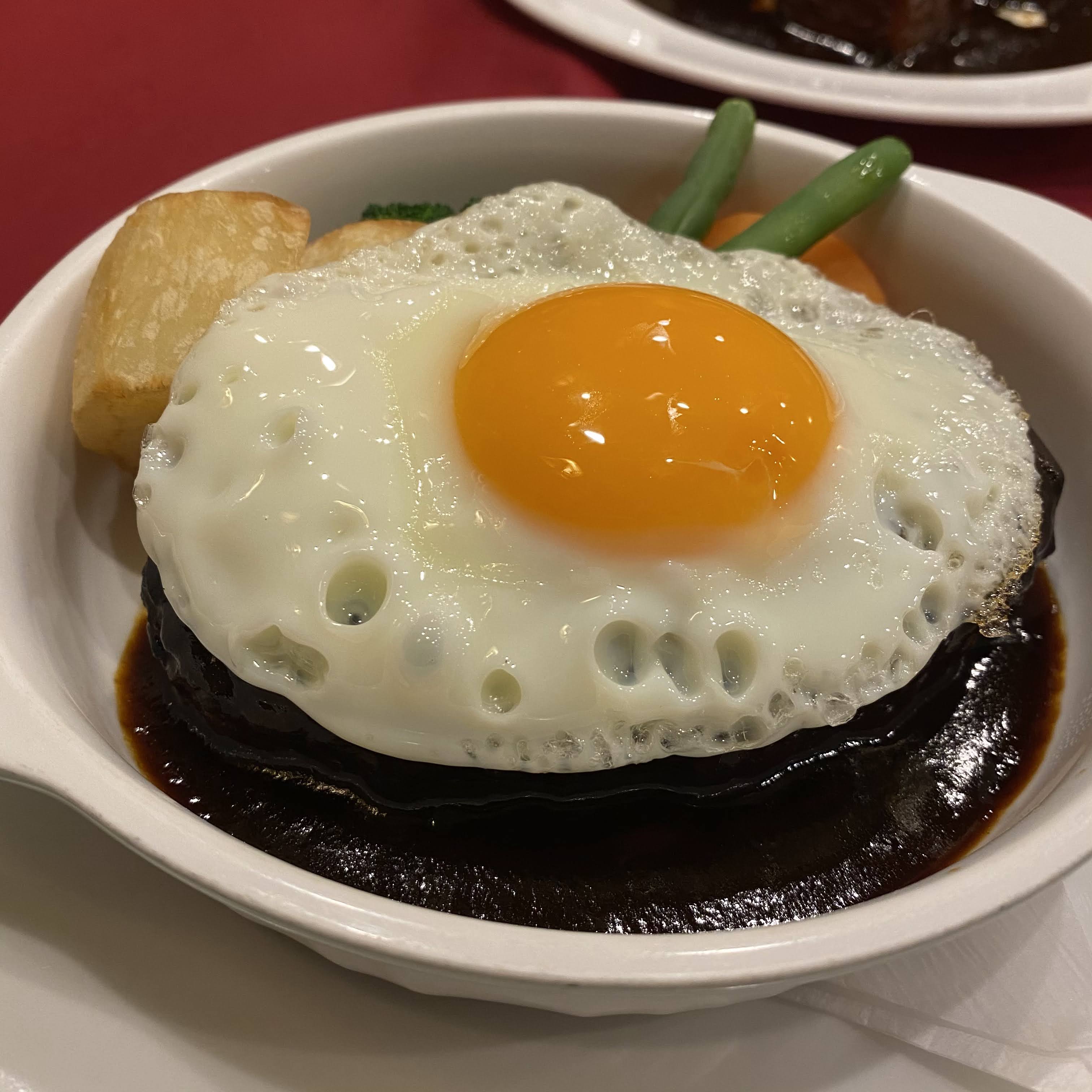
This competition does not force different design philosophies onto a single ruler. First we read what the kitchen is aiming for; then we layer in meat, doneness, sauce, rice, garnish, price, service and cleanliness.
Rather than starting from a conclusion about one restaurant, the 2026 selection begins by surveying the several kinds of strength that exist in Tokyo.
Beyond social media and web ratings, there are guides such as Michelin and Gault&Millau. How does this competition regard that kind of external assessment?
International gastronomy guides like Michelin and Gault&Millau have great value. But yoshoku is not a reproduction of Western cooking. It is food that evolved on its own terms, alongside rice, within Japanese tastes and Japanese daily life.
Today yoshoku works with rice or bread, with sake or wine. It runs from home cooking to neighbourhood diners to hotels and fine restaurants, and you can eat it with chopsticks or with a knife and fork. As a category it is vague — and that freedom is exactly its strength.
So what we want to look at is not only the international gastronomic yardstick. It is the handling of the meat, the doneness, the sauce, the garnish, the price, the cleanliness, whether the restaurant can keep going — and how that plate works at a Japanese table.
BISTRO TARO azabujuban appears in the data ranking marked “ineligible” as a reference listing, and is excluded from the awards.
Japanese public health authorities require ground-meat dishes such as hamburg steak to be cooked through to the centre. Dishes that offer a raw centre as a selling point, or that leave the cooking to be finished by the customer, are excluded. Where the kitchen completes the cooking and a grill or hot plate is used to keep the dish warm, the restaurant remains eligible.
Grand Prize, Hamburg Prince Award, Data Discovery Award. Keeping the number small keeps the meaning of each year clear.
The right to vote in the 2026 competition belongs to anonymous judges appointed by the Japan Yoshoku Association: professionals from cooking, meat, yoshoku, food manufacturing and distribution. They eat at candidate restaurants as ordinary customers and vote with public data and specialist knowledge in mind.
To keep anonymous judging effective and fair, the number of judges, their names, the composition of the panel and the breakdown of votes are not disclosed. Participation is limited to those whose expertise, experience, record and freedom from conflicts of interest have been verified by the Association.
Representative Director of the Japan Yoshoku Association. Third-generation of the long-established yoshoku restaurant Ginza Candle, and chef at BISTRO TARO azabujuban. He has worked on restaurant development, operations, cooking and interior design in Japan and abroad, and for the 2026 competition he oversees the concept, the candidate selection, the judging system and the evaluation criteria. He supervised and contributed to the yoshoku feature in HIGHLIGHTING Japan, the Japanese Cabinet Office's overseas public-relations magazine, has appeared on NHK's Chico Will Scold You!, and provides material on yoshoku culture to commercial broadcasters, newspapers and magazines. BISTRO TARO azabujuban has been selected for Tokyo's Best Restaurants in both 2025 and 2026, and for the Japan Brand Collection. Guests at Ginza Candle and BISTRO TARO azabujuban have included Dionne Warwick and The Weeknd, alongside artists, writers, athletes and food enthusiasts from Japan and overseas.
Professionals from cooking, meat, yoshoku, food manufacturing and distribution. They eat at candidate restaurants as ordinary customers and vote on the food, price, service, cleanliness and public data. Their number, names, composition and vote breakdown are not disclosed.
Known as the Hamburg Prince, he eats more hamburg steaks than anyone in Japan — over 500 a year, on the motto “one burg a day.” He has appeared on TBS's The World Matsuko Doesn't Know and won the hamburg episode of NHK's Gekitotsu Meshi Agare. For 2026 he handles candidate selection, contributes first-hand tasting knowledge, and chooses the Hamburg Prince Award.
Note: details of the judging structure are withheld to keep anonymous judging effective and fair.